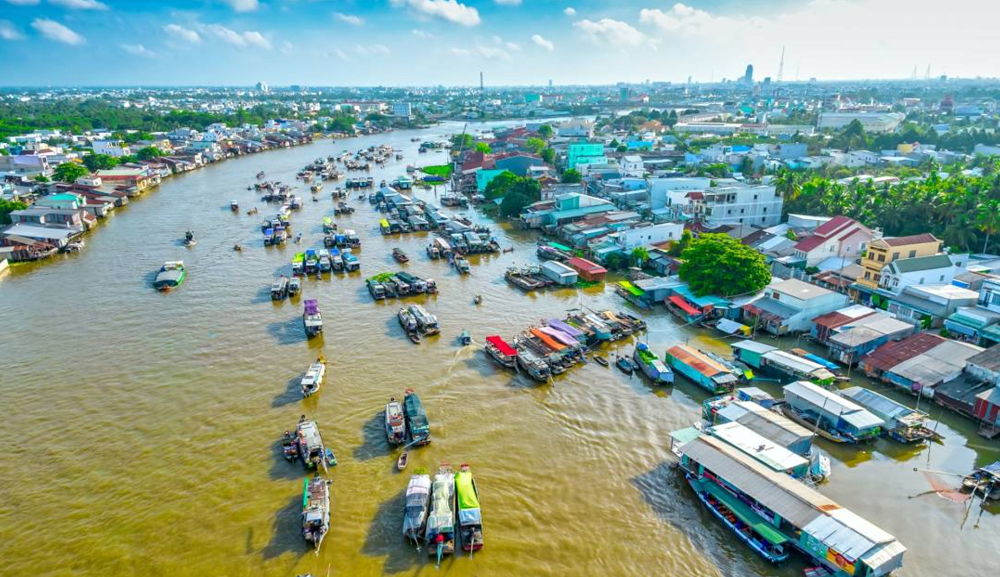
Can Tho: The Living Pulse of the Mekong Delta
JANUARY 19, 2026
The air in Can Tho doesn’t just greet you; it accosts you. It’s a thick, warm blanket of humidity, scented with a wild, living perfume that is the very breath of the Mekong Delta. There’s the wet, fertile smell of the river itself, a billion silt particles suspended in brown water. Overlaying that is the sweet, almost cloying scent of overripe fruit from the mountains of mangoes, rambutans, and mangosteens on the banks. And cutting through it all, the sharp, unmistakable aroma of nước mắm—fish sauce—the umami backbone of a nation, mingling with charcoal smoke and frying garlic. This isn’t an atmosphere you simply observe; you drink it in, you wear it, you sweat it out of your pores by 7 AM. This is Can Tho, and it is gloriously, unapologetically alive.
My pilgrimage began, as all true journeys here must, in the absolute dead of night. At 4:30 AM, the city was a ghost town of shuttered storefronts, the silence broken only by the sputter of my scooter and the distant bark of a dog. The destination was Ninh Kieu Wharf, the launching point for the soul of the Mekong: the Cai Rang Floating Market. In the pitch black, the river was a void, but the wharf was a chaotic symphony of silhouettes and shadows. Long, low-slung wooden boats, their hulls pregnant with pyramids of pumpkins, sacks of rice, and bundles of greens, jostled for position. Diesel engines coughed and sputtered, their throaty rumble echoing across the water. I boarded a smaller tourist boat, its driver a man of few words and thousand-yard stare, and we slid away from the concrete world into the liquid one.
The Aquatic Metropolis: Cai Rang
As the first bruised-purple hints of dawn smudged the eastern sky, the floating market revealed itself. It was not a market in any conventional sense. It was a sprawling, aquatic metropolis of commerce, a ballet of boats conducted with shouts, hand signals, and the thrum of engines. Larger “mother ships,” their tall masts acting as advertising billboards, hung sample produce from poles: a bunch of pineapples meant they were wholesale pineapple vendors; a cluster of watermelons signaled their cargo. Smaller boats, often manned by a single woman in a conical nón lá hat, skillfully navigated the chaos, pulling alongside the mother ships to negotiate for a sack of onions or a crate of cabbages. The air filled with a new layer of sound—the staccato call-and-response of bargaining, the splash of goods being hauled across gunwales, the rhythmic chop of a cleaver as a vendor prepared hủ tiếu noodle soup for the boatmen’s breakfast on her tiny floating kitchen.
Our boat nudged its way into the heart of it. A vendor woman, her face a roadmap of sun and smiles, paddled her sampan alongside. With a hook, she latched our boats together as effortlessly as shaking hands. From a simmering pot, she ladled out the most essential, life-giving beverage of the Delta: cà phê sữa đá. Strong, dark, bitter Robusta coffee, grown in the nearby highlands, met a generous glug of sweetened condensed milk in a glass, then was poured over a tower of ice. The first sip was a revelation—a shocking, sweet, caffeinated jolt that cut through the morning damp and reset your entire nervous system. This wasn’t coffee; it was liquid adrenaline, fuel for the Delta.
The Sacredness of Broth: Bún Riêu
But the true culinary heart of the market was yet to come. We drifted towards a specific boat, its pole adorned with a pot and ladle. This was the bún riêu boat. A woman, her movements economical and precise in the confined space, tended to a massive, bubbling cauldron. The scent that wafted over was profound: the deep, oceanic tang of freshwater crab, the bright acidity of tomatoes, and the funky, fermented kick of shrimp paste. This was bún riêu cua đồng—a noodle soup that is the Delta on a plate.
She assembled a bowl with the speed of a concert pianist. A nest of soft rice vermicelli (bún) was placed in a bowl. Over it went a ladle of that glorious, rust-red broth, swimming with crumbling pillows of crab roe (riêu), chunks of tomato, and fried tofu puffs that had drunk deep of the soup. Then came the accompaniments: a tangle of fresh herbs (rau muống, perilla, sawtooth coriander), thin slices of banana blossom, a squeeze of lime, and, crucially, a dollop of that pungent, magenta mắm tôm (shrimp paste). The first spoonful was an explosion of textures and tastes. The broth was rich and complex, sweet from the crab and tomatoes, savory from pork bones, and funky from the mắm tôm. The crab roe was delicate, almost like a savory cloud. The herbs provided a clean, peppery counterpoint. It was messy, it was bold, it was utterly uncompromising. This was not a dish for the timid. It was a dish that tasted of the river mud, the hard work of the crab catchers, and the fiery heat of the Delta sun. It was, in a word, spectacular.
The Sizzle of Creation: Bánh Xèo
As the sun climbed and the wholesale market began to dissipate, the riverbanks came to life. We docked at a small canal and entered the green, dappled world of the water coconut palm forests. The noise of the market was replaced by the whisper of leaves and the plop of jumping fish. Here, the activity shifted from commerce to creation. In a thatched riverside hut, a local woman demonstrated the art of making bánh xèo, the Mekong’s iconic sizzling pancake. The name itself is onomatopoeic—xèo for the sound it makes as the rice batter hits the scorching-hot skillet.
She mixed rice flour with turmeric powder and coconut milk, creating a vibrant yellow batter. With a ladle, she spread it thinly across the blackened pan. The xèo sound was immediate and satisfying. Then, with practiced haste, she added plump shrimp, slices of marinated pork, and a handful of bean sprouts. She deftly folded the giant, crisp-edged crêpe in half, creating a golden crescent that crackled audibly as she transferred it to a plate. The ritual of eating it was just as important. You take a piece of rice paper, layer it with herbs—mint, cilantro, perilla—place a chunk of the hot bánh xèo inside, roll it up, and dip it into a bowl of nước chấm. The fish-sauce-based dip, balanced with lime, sugar, chili, and garlic, is the perfect foil. The first bite is a symphony of contrasts: the shattering crispiness of the pancake’s edges giving way to the soft, steamed bean sprouts and savory filling, all wrapped in the chewy rice paper and refreshed by the herbs, all brought into harmony by the sweet, sour, salty, spicy dip. It’s interactive, it’s communal, and it is fiendishly delicious.
Flood Season Soul: Lẩu Cá Linh
As evening descended, the focus returned to the river, but the mood transformed. The frantic energy of the morning market was gone, replaced by a serene, almost melancholic beauty. Back in the city, along the Hau River promenade, families strolled, and young couples sat on benches, watching the sunset paint the water in shades of gold and fire. The dinner destination was a riverside restaurant, a cavernous, open-air structure buzzing with the sound of multiple generations sharing a meal.
Here, the specialty was lẩu cá linh bông điên điển—a hotpot that is so seasonally specific it epitomizes the Delta’s connection to its environment. Cá linh is a small, sardine-like river fish that migrates in enormous schools with the rising floodwaters. Bông điên điển are the bright yellow flowers of the water mimosa plant that bloom on the river’s surface during the same season. They are a fleeting pairing, available only for a few months of the year.
A gas burner was placed in the center of the table. On it, a large pot of clear, aromatic broth, infused with lemongrass, sour tamarind, and nước mắm, was brought to a vigorous boil. Plates arrived piled high: the silvery cá linh, cleaned but often cooked whole; vast mounds of the vibrant yellow bông điên điển; bundles of river herbs; and rice noodles. The ritual is simple but profound. You add the fish and flowers to the bubbling broth, cooking them for just a minute. The fish, delicate and sweet, melts in your mouth. The flowers have a unique, slightly bitter, earthy freshness that cuts the richness of the broth. You ladle the soup, fish, flowers, and herbs into your bowl. The taste is the essence of the flood season—bright, clean, sour, savory, and alive with the flavors of the river and its banks. It is a dish of celebration, of nature’s bounty, and of perfect, transient timing. To eat it is to understand the rhythmic, aquatic pulse of life here.
Unboxing the Delta Soul

Hau River Fire

Highland Bounty

Sacred Broth

Aquatic Metropolis
The Character of the Night: Field Mice and Chè
Later, wandering through the night market near Ninh Kieu Wharf, the sensory assault began anew, but with a different character. The air was now thick with the smell of charcoal-grilled meats and sugary desserts. I stopped at a stall where a man tirelessly turned skewers of chuột đồng nướng—grilled field mice, a Delta delicacy. They were marinated in honey and fish sauce, their tiny bodies crisped to a shiny mahogany. With a squeeze of lime and a dip in salt, pepper, and lime juice, they were… surprisingly good, like a cross between quail and frog’s legs, a stark reminder that in the Delta, protein comes from the land in all its forms.
Finally, succumbing to the heat and the sheer volume of food, I found a plastic stool at a chè stall. Chè is the catch-all term for Vietnam’s universe of sweet soups and puddings. This one was a bewildering, glorious mess in a glass: layers of red bean, mung bean paste, green jelly, coconut cream, and crushed ice, topped with a salty-sweet coconut sauce. It was chaotic, refreshing, and the perfect, sweet full stop to the day.
The Verdict: Ingesting the Delta
As my boat puttered back across the inky black river late that night, the city lights shimmering on the water, the day’s experiences swirled together. Can Tho is not a place of quiet refinement. It is loud, humid, chaotic, and demands your full sensory participation. Its specialty dishes are not delicate, plated artworks. They are vibrant, potent, and often challenging expressions of a land defined by water. They taste of mud, fermentation, fierce heat, and incredible freshness. The atmosphere is one of relentless, productive energy at dawn, giving way to the deep, humid calm of the riverine afternoon and the convivial warmth of a shared evening hotpot.
To experience Can Tho is to have your senses stripped bare and recalibrated. It’s to understand that food here is not separate from life or landscape; it is the direct, unmediated result of both. It’s messy, it’s breathtaking, and it is, without a shadow of a doubt, one of the most thrilling and authentic culinary landscapes on the planet. You don’t just visit Can Tho. You ingest it. And it changes you.
Dispatch Info
CAN THO
Mekong Delta, Vietnam
VIBE: GLORIOUSLY ALIVE
Share This Dispatch
Keep Unboxing.
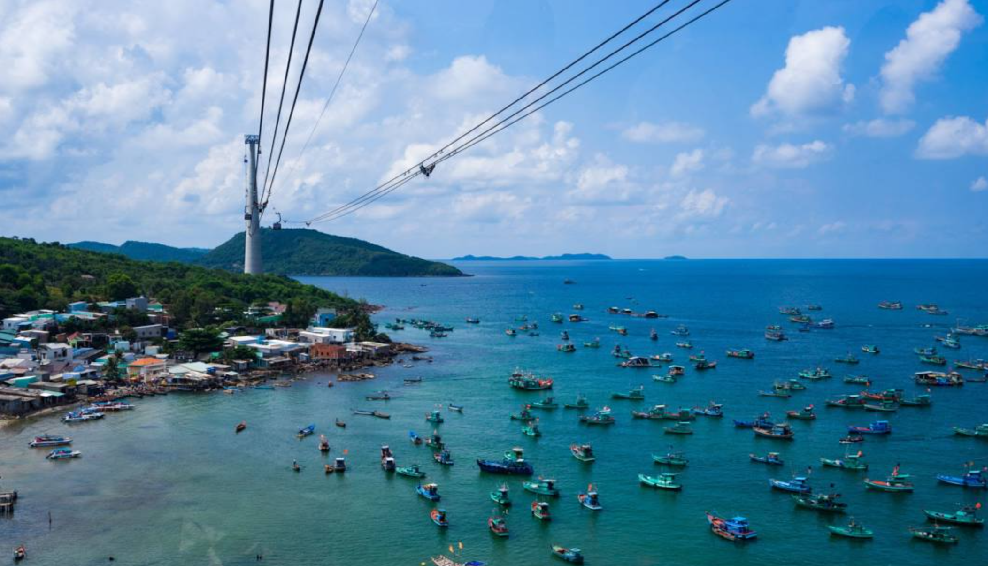
Phu Quoc: Island of Contrasts
Exploring the dual soul of Vietnam's Pearl Island, from high-tech cables to starfish solitude.
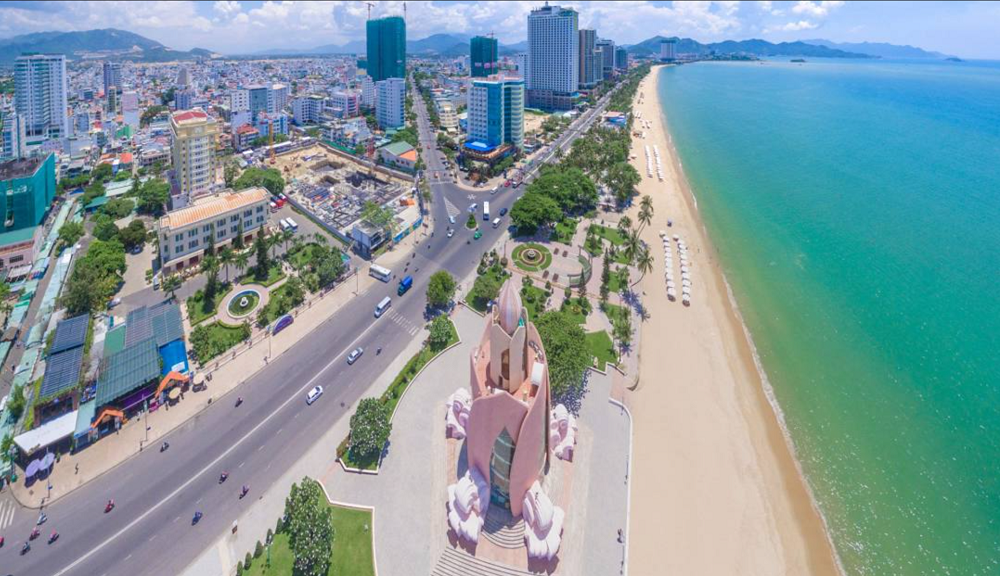
Nha Trang: Raw Coastal Heart
A full-body experience in Vietnam's coastal capital. Sound, soup, and a symphony of sea.
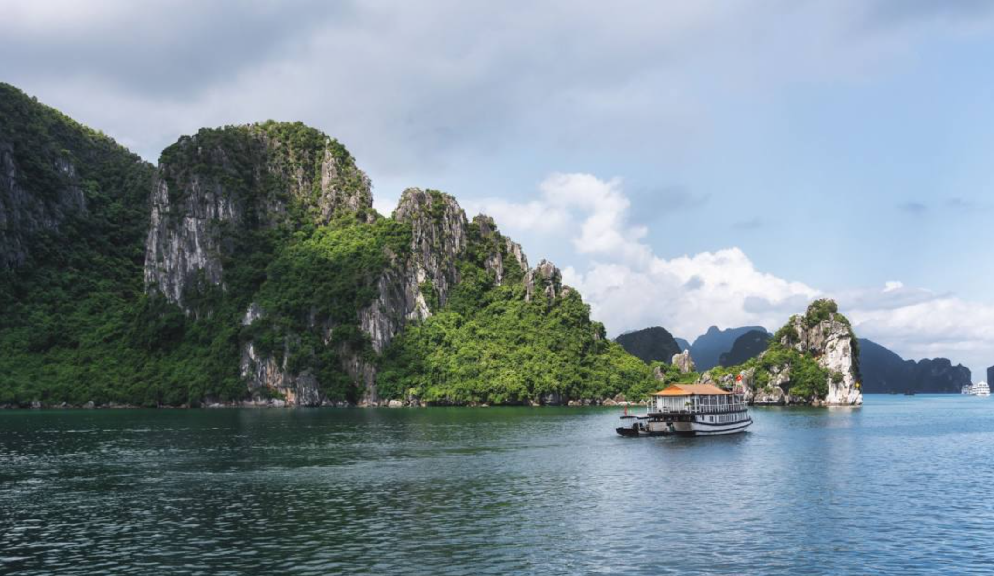
Ha Long Bay: Soul Journey
Limestone karsts standing like ancient sentinels guarding a watery labyrinth.