Ninh Binh: A Searing, Unforgettable Hit of Raw Beauty and Calm
JUNE 5, 2025
Look, I need to be honest with you. I’m tired. Tired of overhyped destinations, tired of Instagram traps that look nothing like reality, tired of places that have been loved to death. So when I heard about Ninh Binh—this place they call “Ha Long Bay on land”—I was skeptical. Another “must-see” just two hours south of Hanoi? Probably overrun. Probably a letdown.
I was wrong. So completely, beautifully wrong.
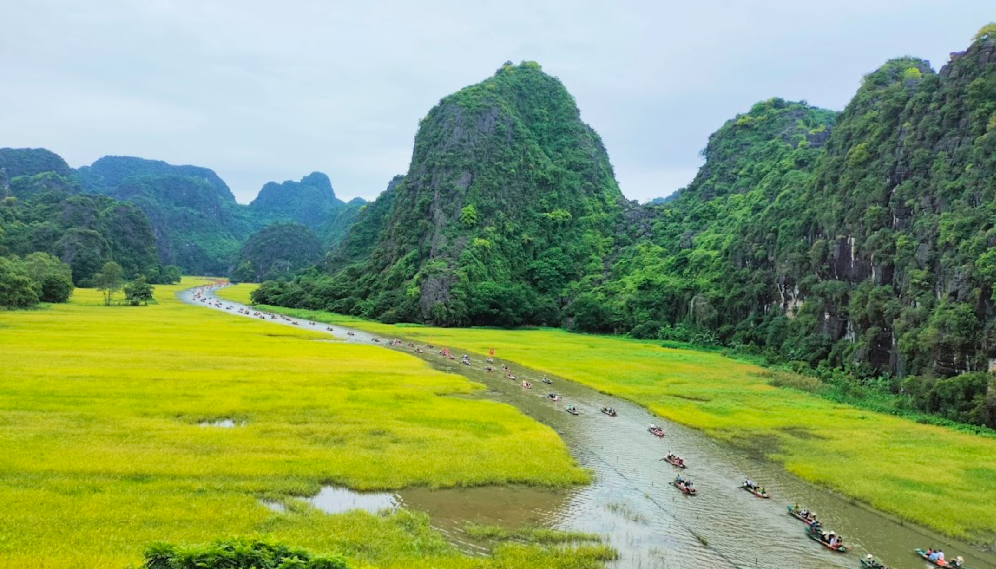
Ninh Binh isn't just a destination; it's a full-sensory immersion. It’s the deafening quiet of a river at dawn, broken only by the drip of a paddle. It’s the searing green of rice paddies that hits your eyes like a tonic. It’s the smell of wet limestone and incense from thousand-year-old temples tucked inside caves. This place got its hooks in me, and it wasn’t letting go. It’s a paradox: a landscape of such epic, cinematic grandeur that it feels almost staged, yet it’s woven through with the rhythms of utterly real, unpretentious daily life. Water buffalo don’t care about your photo op. The old woman rowing your boat with her feet isn't performing; she's working. That authenticity? That’s the magic. That’s what you’re really here for.
And people are catching on. In 2024, over 3.8 million visitors came through, with tourism growing a staggering 37%. A 2025 survey showed a 92% visitor satisfaction rate, which is almost unheard of. They’re coming because Ninh Binh delivers. It delivers two of the most powerful travel experiences you can have in Vietnam, maybe in all of Southeast Asia.
The Two Pillars of the Experience: Drift and Climb
If you do nothing else—and you shouldn’t—these two activities define Ninh Binh. They are the yin and yang of the place: one passive, one active; one low, one high; both essential.
1. The Drift: Surrendering to the River
Forget everything you think you know about boat tours. The Trang An or Tam Coc boat ride is the central nervous system of Ninh Binh. This isn't a passive sightseeing cruise; it’s a journey into the planet’s wet, dark, ancient heart.
You get into a small, flat-bottomed boat, often rowed by a local who might use their feet on the oars, a traditional technique that’s mesmerizing to watch. And then you slip into another world. You’re not just looking at the jagged limestone karsts; you’re floating through them. The boat glides into pitch-black cave mouths, and for minutes at a time, the only sounds are the scrape of the paddle and water dripping from the ceiling. You emerge into hidden valleys (“hongs”) where temples cling to cliffsides, silent and sacred. It feels less like tourism and more like pilgrimage.
The Critical Choice: Trang An vs. Tam Coc
- Trang An (a UNESCO World Heritage Site) is the more pristine, organized, and in my opinion, profound experience. You choose from several set routes (each about 2-3 hours) that weave through caves and past temples. There are no vendors on the water harassing you. It’s pure, undisturbed atmosphere.
- Tam Coc is more rustic and famous for the river winding through golden rice paddies and under three natural caves. It can feel more "lived-in," but that comes with a well-documented downside: aggressive vendors in small boats who will row up and try to sell you drinks and snacks mid-journey.
The Non-Negotiable Rule: TIMING.
You must listen to me on this. The difference between a spiritual awakening and a crowded, frustrating boat parade is when you go. Take the first boat of the morning or the last boat before sunset. I took a late afternoon trip at Trang An as the light was turning gold, and the crowds had dissipated. The water was like glass, reflecting the peaks. It was so quiet you could hear your own heartbeat. That’s the experience you want. Showing up at 11 AM is a recipe for disappointment.
2. The Climb: Earning the View
After the serenity of the river, you need the burn of the climb. The Hang Múa (Mua Cave) viewpoint is Ninh Binh’s exclamation point. Don't be fooled by the name—the cave at the base is forgettable. You’re here for the 500 stone steps carved into the side of the mountain.
The climb is a sweaty, humbling hike, especially in the Vietnamese humidity. But at the top, you are rewarded with what is simply one of the most spectacular panoramic views in the country. It’s all there: the Ngo Dong River snaking through the valley, endless checkerboards of rice paddies, and a sea of those iconic karst peaks stretching to the horizon. At the summit, a stone dragon statue coils along the ridge, adding a mythical touch.
The Non-Negotiable Rule (Part 2): TIMING, AGAIN.
This is even more critical than the boat trip. You must go at sunrise. I’m not suggesting it; I’m insisting. We arrived just after 6 AM and had the mountain mostly to ourselves—just the sound of our footsteps and the waking birds. By 9 AM, as we descended, it was a different universe. Tour buses had unloaded, the steps were a slow-moving conveyor belt of people, and the magic was smothered by noise and selfie sticks. For photography, for peace, for your sanity—go early.
Unboxing the Landscape

The Drift: Trang An

The Climb: Hang Mua

Ninh Binh Templ

The Emerald Valley
Beyond the Icons: The Rhythm of Place
The boat and the climb are the headliners, but Ninh Binh’s soul is in the slow moments in between.
- Get on Two Wheels: This is non-negotiable. Rent a bicycle or motorbike and just get lost. Pedal down dirt paths that cut through emerald rice fields, past sleepy villages where kids shout “Hello!”, and over tiny bridges. There’s no agenda. You’ll stumble upon nameless temples, farmers tending their crops, and vistas with no other tourists in sight. It’s the best way to feel the rhythm of the countryside.
- Touch History at Hoa Lu: Before the boat rides and Instagram posts, this was the capital of Vietnam in the 10th century. The temples of the Dinh and Le dynasties here are intimate and powerful, set against a dramatic mountain backdrop. Visiting at night is a special trick—the crowds vanish, lanterns light up the pagodas, and a night market comes to life.
- Embrace the Scale of Bai Dinh: For a complete contrast, visit Bai Dinh Pagoda, the largest Buddhist complex in Southeast Asia. It’s vast, modern, and awe-inspiring in its scale—home to a 500-strong corridor of Arhat statues and a 13-story stupa. It’s a testament to faith and ambition.
| Attraction | Experience | Key Tip | Cost (approx.) |
|---|---|---|---|
| Trang An Boat Tour | Serene, UNESCO-listed journey through caves & past cliffside temples. | Choose Route 1, 2, or 3. Go for first or last boat of the day. | 250,000 VND |
| Hang Múa Viewpoint | Sweeping 360° panoramic climb. The iconic photo spot. | ARRIVE AT SUNRISE. Bring water, wear good shoes. | 100,000 VND |
| Tam Coc Boat Ride | Scenic ride through rice fields & three caves. More rustic feel. | Best during rice season (May-June). Be prepared for river vendors. | 150,000 VND + boat fee |
| Hoa Lu Ancient Capital | Historical site of Vietnam’s first capital. Temples of Dinh & Le kings. | Visit late afternoon or after dark for lantern-lit atmosphere. | 20,000 VND |
| Bich Dong Pagoda | Three-tiered cave pagoda built into a mountainside. Peaceful & picturesque. | An easy bike ride from Tam Coc. Climb to the upper pagoda. | Free |
The Food: This Is Where I Get Excited
You can’t talk about a place without talking about what you eat. Ninh Binh’s food is robust, earthy, and incredible.
The undisputed king is goat meat (thịt dê). The goats here graze on the limestone hills, and it makes their meat uniquely firm and flavorful. You have to try it. Get it grilled (dê nướng), stir-fried with lime leaves (dê xào lăn), or as a tartare with lime and herbs (dê tái chanh). It’s a revelation.
Then there’s cơm cháy—crispy fried rice crackers. They’re often served as a crunchy side to saucy dishes or topped with stir-fried meats. It’s the perfect textural counterpoint. Don’t miss nem chua (fermented pork rolls) or a bowl of bún mọc (vermicelli with pork meatballs).
For a trusted taste, seek out places like Nhà hàng thịt dê Chính Thư in Hoa Lư or Đức Dê in Ninh Binh city. Just walk in and point.
Living the Atmosphere: Where to Stay & When to Go
Your base camp changes everything. You have two main choices:
- Tam Coc: The lively, convenient hub. Restaurants, bars, shops—it’s all here. Perfect if you want energy and easy access.
- Trang An: This is where I stayed and what I recommend. It’s quieter, more spread out, and you wake up immersed in the landscape. Your homestay balcony opens directly onto rice fields and karsts. Places like Green Mountain Homestay offer that perfect blend of comfort and immersion.
When to visit? The golden months are October to April—cooler, drier weather with excellent visibility. May to June is rice harvest season, when Tam Coc turns into a river of gold, but it’s hotter and more humid. Avoid late January/February during Tet (Vietnamese Lunar New Year) unless you want to experience the cultural chaos, as domestic travel peaks and many services close.
The Final Word
Ninh Binh demands something of you. It demands you wake up before dawn. It demands you respect the environment and the people who live there. It demands you slow down, put your phone away, and just be in that boat, on that mountain, in that field.
It’s not a perfectly polished resort experience. It’s raw, it’s real, and it’s profoundly beautiful. It’s the kind of place that doesn’t just give you photos; it changes your pace. And in our frantic, connected world, that might be the most valuable thing it has to offer.
Get there. Go early. Be quiet. Take it in. It’s spectacular.
Dispatch Info
NINH BINH
Hoa Lu District, Vietnam
UNESCO WORLD HERITAGE
Share This Dispatch
Keep Unboxing.
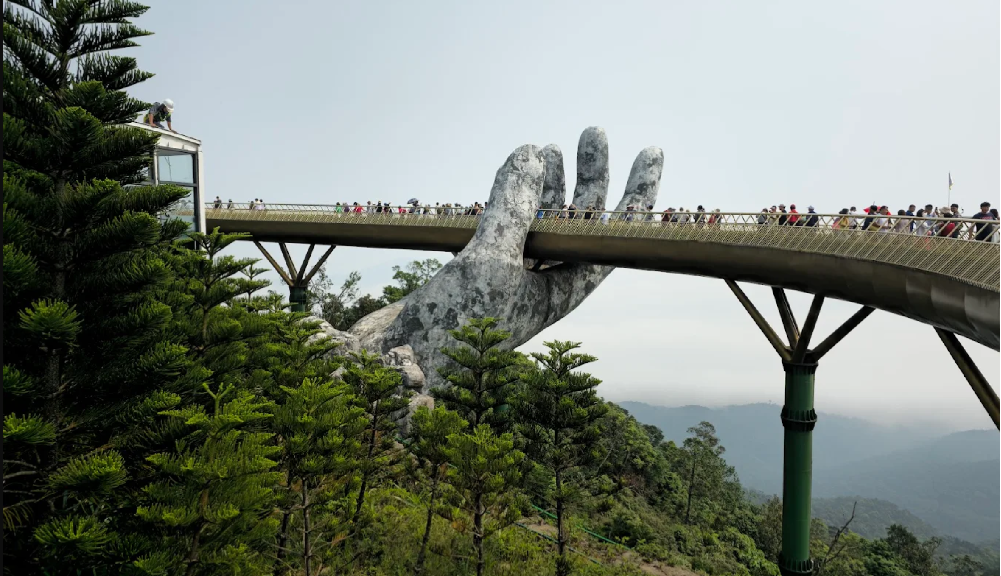
Ba Na Hills: Day in Clouds
Walking among giants and exploring the whimsical spires of fairytale mountain.
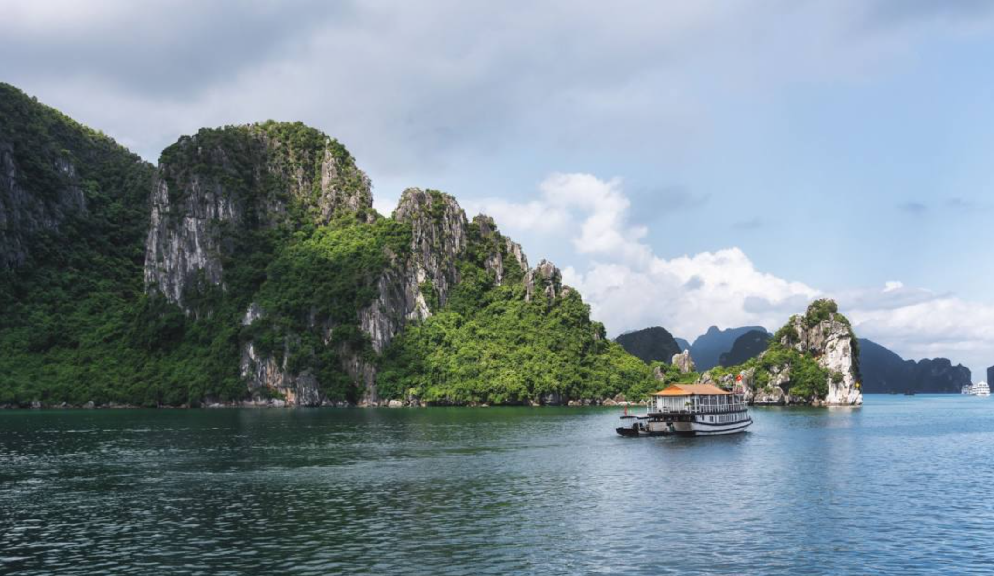
Ha Long Bay: Soul Journey
Limestone karsts standing like ancient sentinels guarding a watery labyrinth.
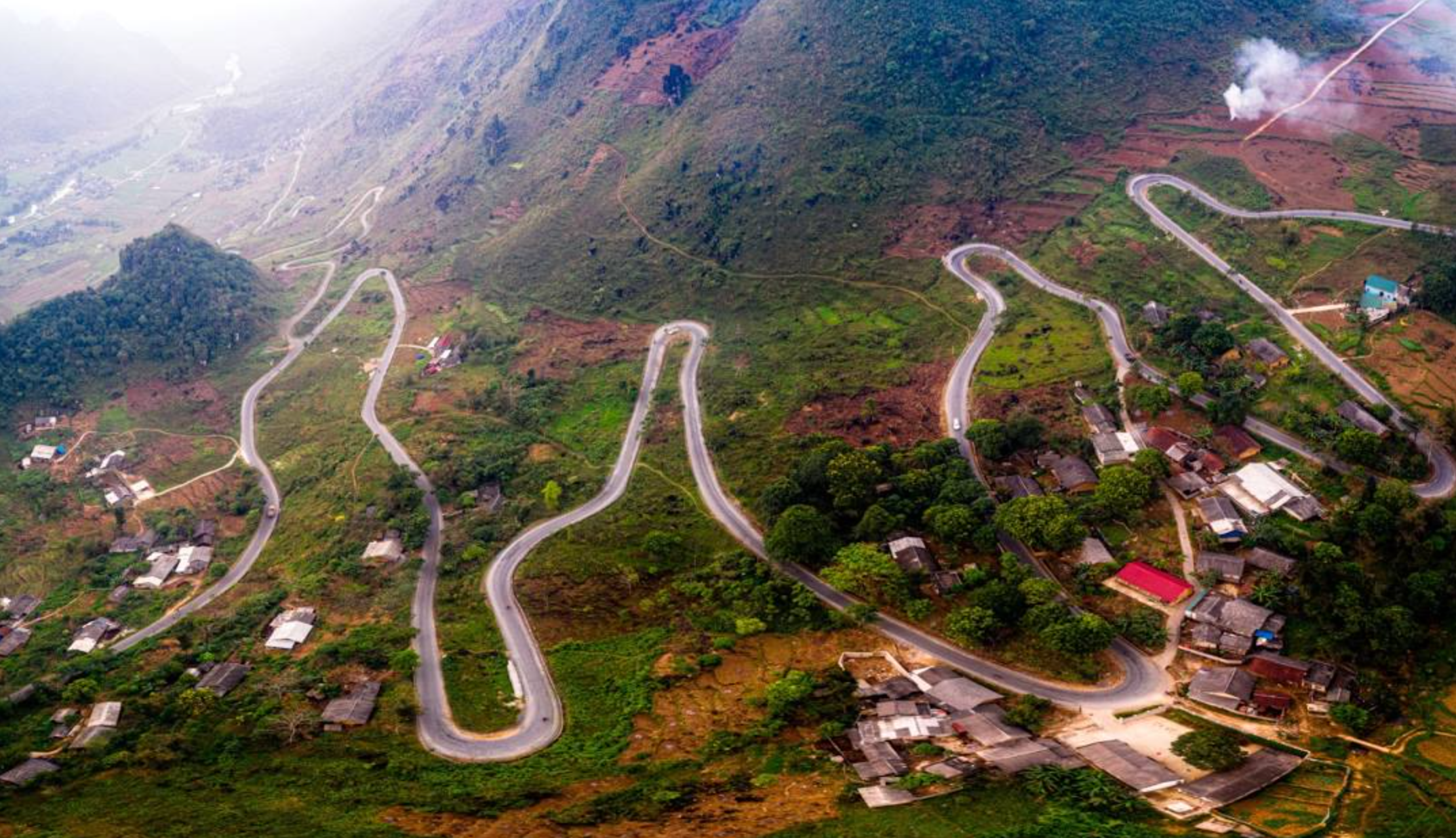
Ha Giang Loop: Arrival
An uncompromising arrival in the clouds of the northern frontier.