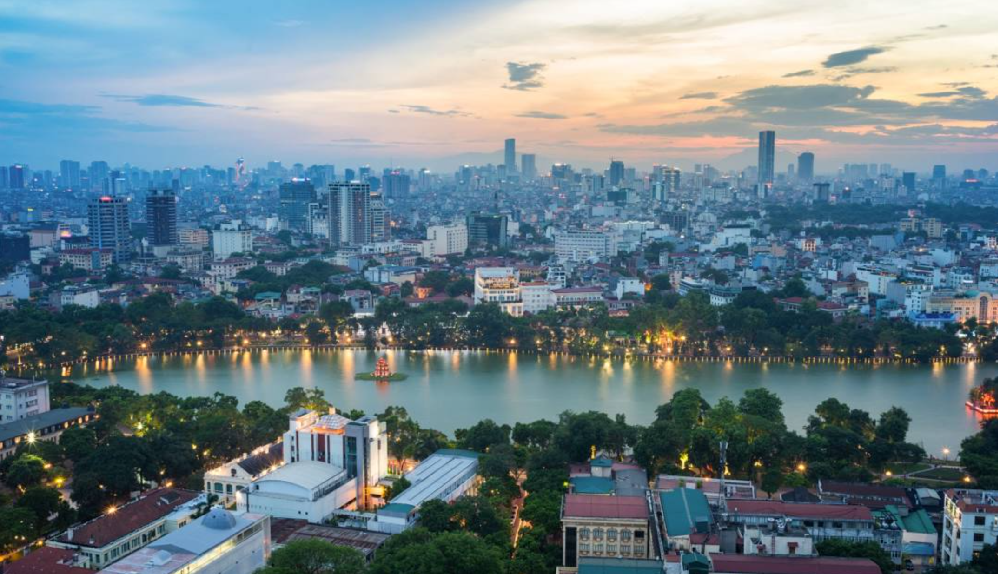
Hanoi at First Light: A Feast for the Senses in Vietnam's Timeless Capital
JANUARY 1, 2026
The mist over Hoan Kiem Lake hangs low this January morning, a silvery gauze softening the edges of the ancient Turtle Tower and the crimson bridge leading to the Ngoc Son Temple. My breath forms small clouds in the 17-degree chill—a signature of Hanoi’s winter, which blankets the city in cool, damp air from December through March. I wrap my scarf tighter and dive into the waking city. The capital is buzzing with a unique energy in this first week of 2026, still pulsing from the fireworks and celebrations that illuminated its skies just days before. For a traveler, Hanoi is not just a place you see; it’s a city you taste, you smell, and you absorb through every pore, one low plastic stool and steaming bowl at a time.
Dawn in the Old Quarter: The City’s Heartbeat and Breakfast
Before most of the world has stirred, Hanoi’s true culinary engine roars to life. Following in the footsteps of legendary chefs, I find myself at the edge of the Long Bien Wholesale Market as the first hints of dawn color the sky. This is not a tour for the squeamish. The air is thick with the visceral scent of life and commerce: baskets of live crabs and eels, piles of glistening produce, and the undeniable, earthy presence of a working meat market. My guide, a local chef who has shown celebrities the secrets of this city, navigates the chaotic aisles with practiced ease. “This is where Hanoi’s day begins,” she says, as we step over rivulets of water on the concrete floor. The magic of Vietnamese food lies in this uncompromising freshness—ingredients that were in the soil or the water hours before they meet the broth.
The reward for the early wake-up call is a revelation: Phở. Not the ubiquitous version known worldwide, but Phở trộn, a dry mixed pho where the star is the wide, flat rice noodle itself, stir-fried with herbs, beef, and a savory sauce. “Phở actually refers to the noodle, not the soup,” my guide explains, a simple fact that reframes an entire culinary icon. It is complex, hearty, and utterly delicious. We eat it standing at a stall, the first of many meals taken without a proper table. This is the rule: the smaller the stool, the better the food.
Mid-Morning: The Baguette and the Legacy of History
As the city warms to a pleasant 20 degrees, the low clouds burn away, giving the crumbling French colonial facades in the French Quarter a golden glow. Hanoi’s history is a layered one, and nowhere is that more edible than in the Bánh Mì. The French gave Vietnam the baguette, but Hanoians perfected the symphony within it. I stop at a stall where a woman assembles masterpieces with swift, sure hands. The crackle of the crust gives way to a soft interior, layered with homemade pork-liver pâté, silky headcheese, roasted pork, a tangle of pickled daikon and carrot, fresh cilantro, and a swipe of chili sauce. It’s a perfect fusion—colonial history repurposed into something uniquely and proudly Vietnamese.
Seeking a different twist, I find Bánh mì Sốt Vang, where the baguette is served not with cold cuts but for dipping into a rich, aromatic beef stew simmered in red wine, another nod to the French legacy. Each bite is a story of adaptation and resilience.
The Lunchtime Smoke Signal: In Search of Bún Chả
By noon, a distinct, delicious scent begins to weave through the alleys of the Old Quarter: the smell of pork fat and marinade hitting hot charcoal. It is the smell of Bún Chả, Hanoi’s undisputed lunchtime champion. You can find it by following the smoke, which curls from small grills right on the sidewalk, much to the occasional chagrin of neighboring shopkeepers.
I settle onto a child-sized plastic stool at a bustling spot. The dish arrives as a harmonious ensemble: a bowl of warm, slightly sweet nước chấm (fish sauce broth) floating with plump, grilled pork patties and slices of marbled belly; a separate plate of cold, soft white rice vermicelli (bún); and a forest of fresh herbs—mint, cilantro, perilla. The ritual is to combine a little of everything into each mouthful. I follow the local lead and add a crispy nem cua bể (fried crab spring roll) to the mix, dipping it into the broth. The combination—the smoky pork, the cool noodles, the sweet broth, the crunch of the roll, and the burst of herbs—is nothing short of spectacular. It’s easy to understand why this was the dish shared over beer and conversation between a celebrity chef and a U.S. President, a moment now immortalized in a nearby restaurant.
Unboxing the Sensory Engine

Alleyway Alchemy

The Perfect Fusion

Train Street Energy

Sizzling Heritage
An Afternoon Interlude: Coffee, Cake, and Train Tracks
Needing a pause, I seek out two of Hanoi’s more unique offerings. First, Cà Phê Trứng, or egg coffee. In a narrow café, I’m served a small cup where robust Vietnamese coffee is crowned with a dense, velvety froth of whipped egg yolk and condensed milk. It’s like a custardy, caffeinated dessert, born from a time when fresh milk was scarce.
Next, I wander down Hàng Than Street, the place to find Bánh Cốm, the iconic “young sticky rice cake” of Hanoi. These small, jade-green cakes are made from glutinous rice that is harvested early, giving it a unique fragrance and texture, then filled with sweetened mung bean paste and sometimes a nugget of lotus jam. It is a delicate, traditional sweet, often present at betrothals and weddings in the North.
As evening approaches, I head to the infamous Train Street. Once an unregulated tourist hazard, it is now a managed, if no less thrilling, experience. Bars and cafes line the impossibly narrow passageway where the tracks run. I sip a local beer and wait. A chorus of shouts goes up as the appointed time nears. The bar owners swiftly clear the last few souvenir-hunting tourists off the rails. Then, with a growing roar, the train itself barrels through, its cars so close you could reach out and touch them. The walls of the cafes seem to vibrate, and for a breathtaking 30 seconds, the entire street is consumed by noise and wind. It is a visceral, unforgettable metaphor for Hanoi itself: life carried on with vibrant, fearless normalcy right up to the very edge of chaos.
Dinner: A Royal Dish at a Tabletop Grill
For dinner, I seek out a dish so iconic it has a street named after it: Chả Cá. At Chả Cá Thăng Long, the menu is simple—they serve only this one thing. A portable burner is placed on my table. Soon, a sizzling pan arrives, filled with turmeric-marinated chunks of catfish (or sometimes snakehead fish), spring onions, and handfuls of fresh dill. The aromatic steam is intoxicating. As I gently fry the fish at my table, a server instructs me to place portions over cold rice vermicelli, sprinkle with roasted peanuts, and drizzle with nước mắm. The result is a beautiful harmony of textures: the warm, flaky, fragrant fish, the cool noodles, the crunchy nuts, and the anise-like flavor of the dill. This is tabletop theater and a meal fit for royalty, which it once was.
Late Night: The Sweet Broth of the Night Owls
Hanoi doesn’t sleep early. As the night deepens, a different culinary shift occurs. While many street food stalls pack up, the signs for Bún Ngan—Muscovy duck noodle soup—light up. This is the city’s preferred late-night sustenance, a soothing broth simmered from whole ducks with bamboo shoots, served with rice vermicelli. I find a stall in the Old Quarter where the owner is ladling out bowls to motorbike taxi drivers and night-market vendors. The broth is clear, sweet, and deeply comforting, a gentle finale to a day of bold flavors.
Reflections in the Lake’s Glow
My final stop is back at Hoan Kiem Lake, now encircled by young couples and families enjoying the cool night air. The pedestrian streets are lively, filled with the laughter of locals and the amazed chatter of visitors from Japan, Australia, Romania, and beyond, all drawn here to welcome 2026. I think of a Ukrainian expat I read about, for whom this city has become a second home, a place of renewal and hope. I understand the feeling.
To travel through Hanoi is to engage in a continuous, delicious dialogue with its past and its relentless present. It’s a city where you eat a century of French history in a baguette, taste royal heritage in a sizzling pan of fish, and witness dizzying modernity as a train rushes past a café where you just sipped egg coffee. The atmosphere is one of constant, vibrant tension—between tradition and change, tranquility and cacophony, the communal pot and the individual bowl.
The true specialty of Hanoi is not merely a list of dishes, though they are magnificent. It is the experience: the willingness to perch on a tiny stool, to point at what you want, to embrace the smoke, the noise, and the glorious, unending feast. You come not just to see the sights, but to have your senses thoroughly, wonderfully overwhelmed. You leave not just with photographs, but with the lingering taste of herbs, charcoal, and broth—and an undeniable hunger to return.
Dispatch Info
HANOI OLD QUARTER
Hoan Kiem District, Hanoi, Vietnam
VIBE: SENSORY OVERLOAD
Share This Dispatch
Keep Unboxing.
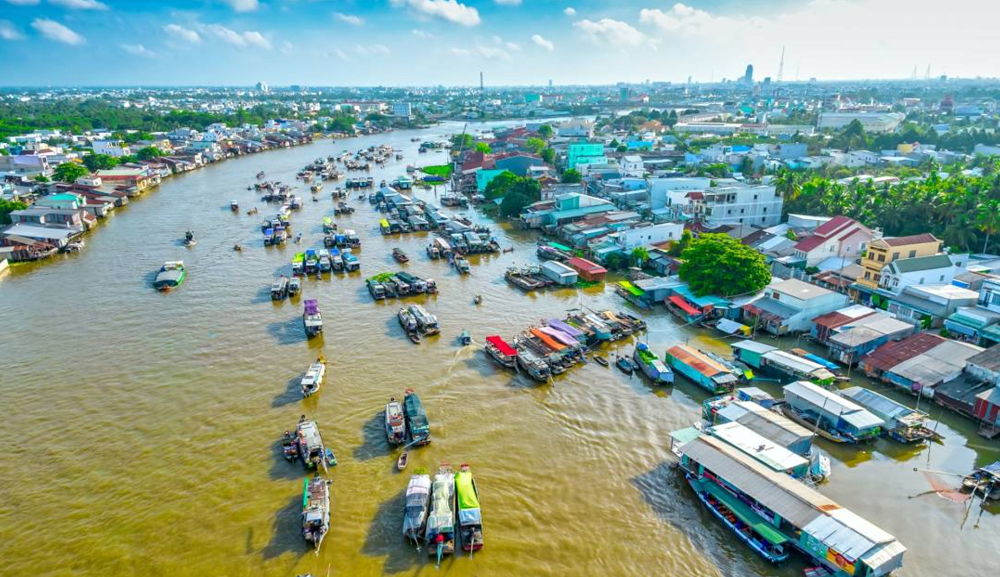
Can Tho: Mekong Pulse
A visceral journey into the heart of the Mekong Delta's floating metropolis.
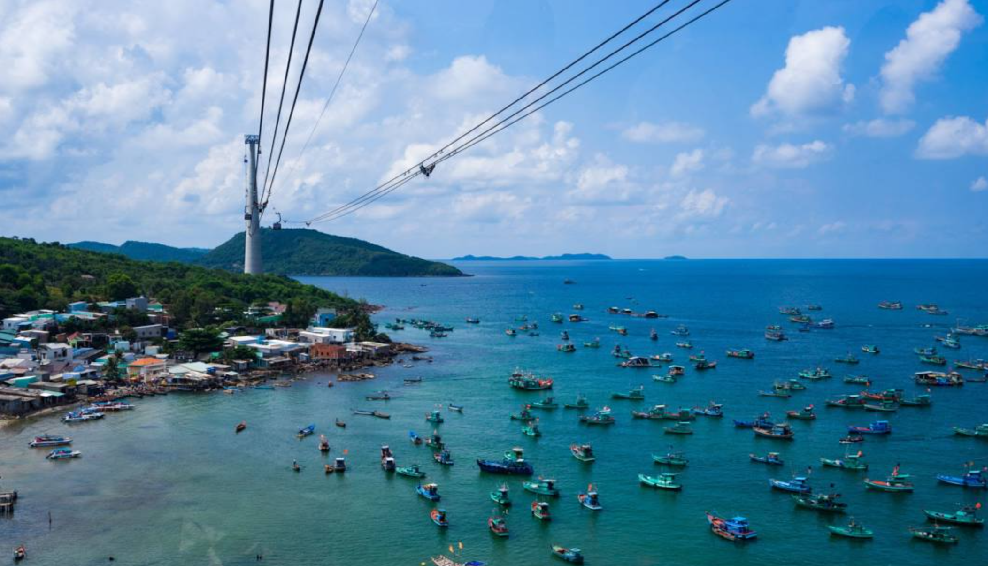
Phu Quoc: Contrasts
Exploring the dual soul of Vietnam's Pearl Island, from cable cars to starfish.
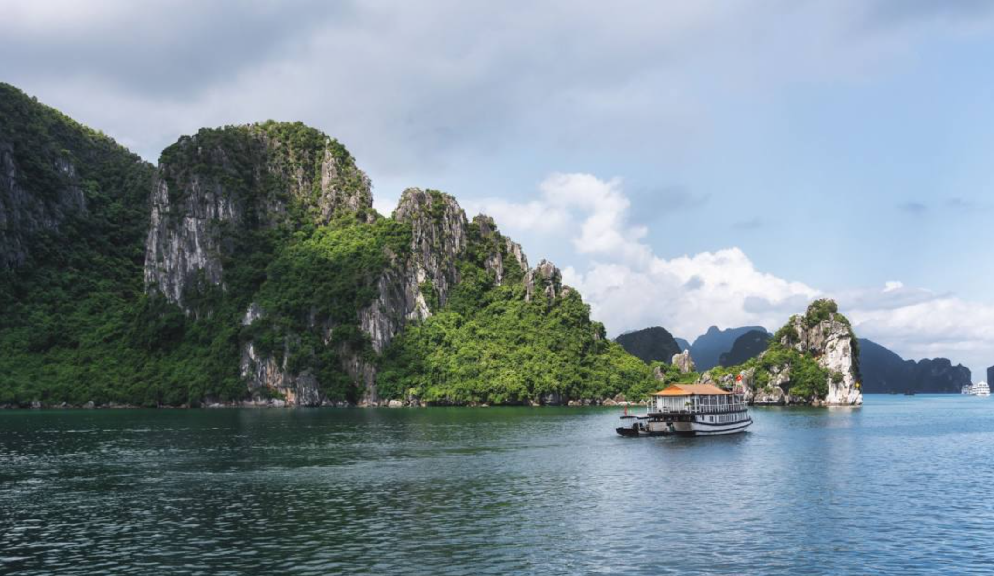
Ha Long Bay: Soul Journey
Limestone karsts standing like ancient sentinels guarding a watery labyrinth.